An Honest Designer’s Review of “I Like Ducks and Maybe Like 3 People”
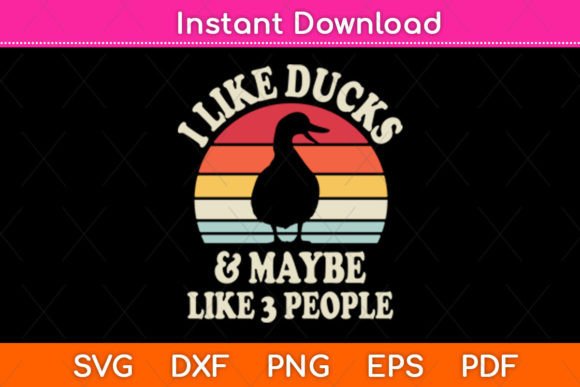
When a new embroidery design lands in my digital toolbox, I’m looking at it through the lens of real projects. My first question isn’t about the files, but about the final stitched product. So, let’s talk about “I Like Ducks and Maybe Like 3 People.” This design has a very specific, and frankly charming, personality. It’s not a generic graphic; it’s a statement. The retro, almost farmhouse-inspired duck illustration paired with that wonderfully blunt text creates an instant mood. It’s humorous, a little quirky, and feels authentic. That visual personality is its biggest strength. It doesn’t just decorate an item; it gives it a voice.
Where This Design Belongs: Real Project Scenarios
Immediately, I picture this on casual, personal-use items. It’s perfect for a relaxed, weekend vibe. I recently considered it for a custom tote bag order for a client who wanted a gift for a friend who, literally, loves ducks and has a very small circle. It was an ideal match. The design lends itself beautifully to handmade products meant for gifting or personal expression. Think embroidered sweatshirts, aprons for someone with a kitchen full of duck decor, or a simple tea towel in a country-style kitchen. It would make a fantastic, personalized baby item for a nursery with a duck theme, though I’d likely simplify or enlarge the text portion for that application.
For small business merchandise—say, an Etsy shop selling witty, embroidered patches or custom apparel—this design offers great potential. It’s recognizable and engaging. A customer browsing for a unique embroidered patch for their backpack would instantly understand the humor. It’s a design that fosters a connection because it’s so specific and relatable. It wouldn’t work for every brand, but for a boutique or maker focusing on humor, animals, or retro themes, it could be a staple design asset.
Practical Considerations Before Hooping Up
That wonderful text, “Maybe Like 3 People,” is the heart of the design, but also its primary technical consideration. The lettering, depending on the size of the final embroidery file, will likely be comprised of satin stitches or possibly a running stitch outline. On curved surfaces like caps, or on textured fabrics like some sweatshirt materials, small lettering can lose clarity. For a project on a tote bag or pillow cover, where you can use a larger hoop size, it should stitch out cleanly. On thinner or stretchy fabric, like a standard t-shirt, you’ll need excellent stabilizer to keep those letters sharp and prevent puckering.
I would not recommend this for very small hoop sizes. The detail in the duck illustration—the wing lines, the cheek—and the need for the text to be legible means it needs space to breathe. Trying to cram it onto a tiny baby bib might result in a muddy look. Always, always test the design on scrap fabric first. Use the same material and weight as your final project. Check the thread color contrast against your background fabric. On dark fabric, the design will pop best with bright, opaque threads. A quick black and white mockup can help you visualize the contrast of shapes without color distracting you.
The Impact on Your Finished Product and Customer
When this design is stitched well on an appropriate item, it elevates a simple object into a conversation piece. The visual appeal is high because it’s unique. For a craft business selling finished goods, this translates to better buyer engagement. A customer isn’t just buying a generic duck; they’re buying a specific attitude. That builds customer trust in your curation skills. The handmade presentation feels thoughtful.
It’s also highly giftable. You’re not giving someone a neutral item; you’re giving them a piece that feels personally selected. For holiday gifts or wedding gifts for that quirky couple, it could be perfect. However, this specificity means it’s not a mass-market design. It won’t fit every brand consistency. It’s a design you deploy knowingly for the right audience.
A Designer’s Final Notes for Real-World Use
Before committing this to a client project or your shop inventory, do your due diligence. Since the product description notes it’s for cutting machines, confirm the specifics of the embroidery file you have or are converting. Review the actual stitch density in your software; a very dense duck fill stitch might require adjustments for lighter fabrics. Inspect the small details in your preview—are the duck’s feet clean lines? Is the text spacing even?
Most critically, confirm licensing before selling finished items. The description mentions it’s an instant download file, but you must understand its terms for commercial embroidery projects. Can you sell the physical finished product—the tote bag, the sweatshirt? Can you use it in digital product previews or printable mockups for your shop? Never assume.
“I Like Ducks and Maybe Like 3 People” is a delightful, character-driven design. Its value lies in its distinct mood. As an embroidery designer, I see its best life on sturdy, casual items where its humor can shine, stitched with care to preserve its clean, retro lines. It’s not a universal design, but for the right project and the right person, it will be absolutely perfect.