A Designer’s Take on Minimalist Male Silhouettes for Embroidery
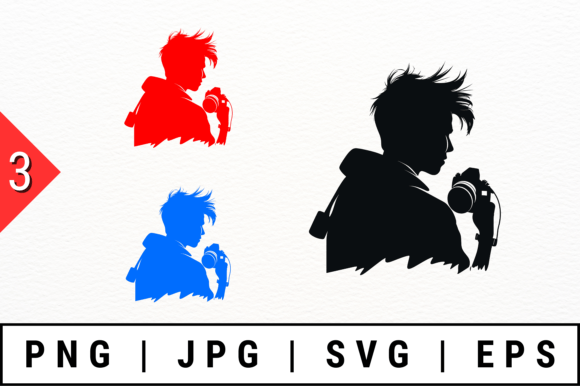
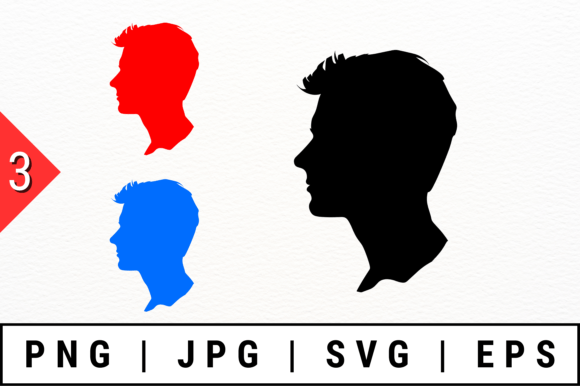
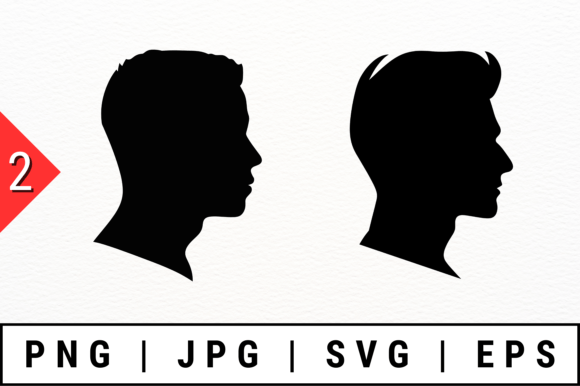
When I first opened the vector file for this set of two male profile silhouettes, my immediate thought was, “This is a clean canvas.” It’s not a loud, detailed illustration; it’s a quiet, confident shape. That minimalist black silhouette creates a mood of understated sophistication—it’s classic, versatile, and quietly masculine. As a designer who regularly translates digital art into stitched products, my first judgment is always about visual personality: what does this design feel like when it’s not on a screen, but on fabric? These profiles feel timeless. They’re not trendy; they’re reliable. That’s a powerful starting point for any embroidery project.
The Natural Habitat for These Silhouettes
Where do these designs naturally belong? Imagine you’re preparing a custom embroidered tote bag for a client who wants a gift for a father or grandfather. Or you’re a small shop owner creating a line of simple, elegant sweatshirts. These silhouettes are perfect for that. They have a graphic clarity that translates beautifully into satin stitch or a solid fill stitch. The lack of intricate interior detail means the embroidery won’t become a muddy, dense patch on the fabric; it will be a crisp, recognizable shape. I’ve found this kind of design excels on products where you want a hint of personality without overwhelming the item: think caps, aprons, pillow covers, or even as a subtle accent on a baby blanket in a nursery. The theme is universal—it’s about character, a person, a presence—without specifying who. That makes it incredibly giftable.
Putting It Through the Real-World Embroidery Test
Let’s walk through a real-life scenario. You’ve purchased this vector art, and you’re ready to digitize it for your embroidery machine. You’re thinking of stitching it onto a black cotton tee for a personalized gift. Here’s what you should consider. The design’s strength is its simple outline, but that means every curve matters. On a curved surface like a cap, that clean profile needs to be tested on scrap fabric first to ensure the shape doesn’t distort. The stitch density for the fill will be crucial—too dense, and it becomes stiff on thin or stretchy fabric; too light, and it might look sparse. Because it’s a solid, dark shape, thread color contrast is paramount. On a dark fabric, you might consider a reverse approach or using a contrasting thread to make the silhouette pop. For a light fabric, a classic black thread will give that sharp, minimalist look the design promises.
For craft business items like patches or tea towels, this design is a winner. Its simplicity means it stitches out quickly and consistently, which is vital for production. For an Etsy seller creating holiday gifts like embroidered pillow covers, it offers a neutral, tasteful option that feels handmade yet professional. In a boutique’s branded merchandise, it could serve as a consistent graphic element, building brand recognition through its clean aesthetic.
Where to Exercise Caution
This isn’t a design you can just drop into any project without thought. Its simplicity requires careful execution. On very small hoop sizes, the subtle curves of the profile could lose definition if the digitizing isn’t precise. Textured fabrics, like heavy sweaters, might break up the smooth edge of the silhouette. I’d advise testing it on the specific fabric you plan to use—a textured linen apron might give a lovely rustic effect, but a slick polo shirt will give a crisp, modern one. Always use the proper stabilizer to maintain that clean shape, especially on stretchy fabrics like t-shirts.
Also, consider the final product’s use. For items that need frequent washing, like kitchen towels or baby clothes, a dense fill stitch in a large area might be less durable over time. A running stitch outline or a lighter fill might be a better adaptation for longevity. The design, in its bold black form, is a statement. On layered garments or items with lots of detail, it should be placed thoughtfully so it doesn’t clash visually.
How This Design Elevates Your Finished Product
From a commercial and customer perspective, using a design like this well affects everything. The visual appeal is high because it’s unfussy and easy to read. Stitching clarity is excellent if digitized properly—there are no tiny details to get lost. This directly boosts perceived product value and customer trust. A clean, well-executed embroidery of a simple silhouette looks intentional and professional. It speaks to a handmade presentation that feels deliberate, not haphazard.
For a creative entrepreneur, this vector art is a flexible design asset. It can be used for printable mockups to sell digital embroidery files, or stitched directly for craft fair products. It supports brand consistency if your shop’s vibe is modern and minimal. Its giftability is strong—it’s personal without being overly specific. And for buyer engagement, a clear, attractive embroidered product using this design in your Etsy listings or small shop merchandise will photograph well and communicate quality instantly.
Practical Notes From the Hoop
Before you run this design, here are my practical embroidery designer notes. First, always test on scrap fabric that mimics your final project fabric. Check the thread color contrast not just on screen, but with actual threads against your fabric. Review the stitch density in your digitizing software—aim for a balance that looks solid but doesn’t pucker. Confirm your hoop size can accommodate the design without compromising the profile’s elegance. Inspect the small details: the chin line, the ear shape, the forehead curve. These need to be smooth in the stitch path.
I also recommend testing the design in black and white mockups on both light and dark backgrounds to see its impact. This will help you decide placement and thread choices. Crucially, check the licensing terms provided with the vector art. Since it’s described as ideal for character design and avatars, confirm whether it’s cleared for both personal and commercial projects before you sell finished items or derived digital products. This is a foundational step for any craft business using graphics.
In the realm of machine embroidery design, a clean vector silhouette like this is a trustworthy tool. It won’t surprise you with complexity, but it demands thoughtful application. For custom apparel, embroidered patches, tote bag designs, or holiday embroidery, it provides a solid, stylish foundation. Your skill in translating it from a graphic to a stitched, tactile product will determine its final success. That’s the real craft.