Silhouette Simplicity: A Designer's Take on the Male Profile Vector
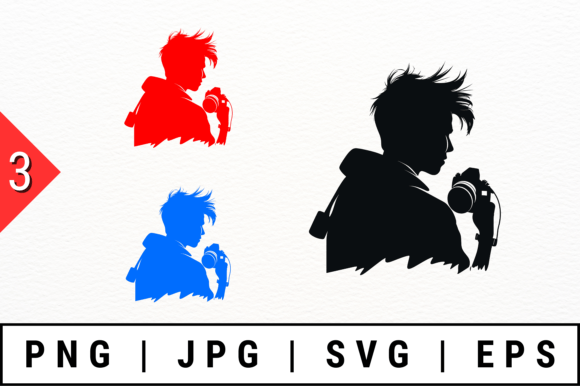
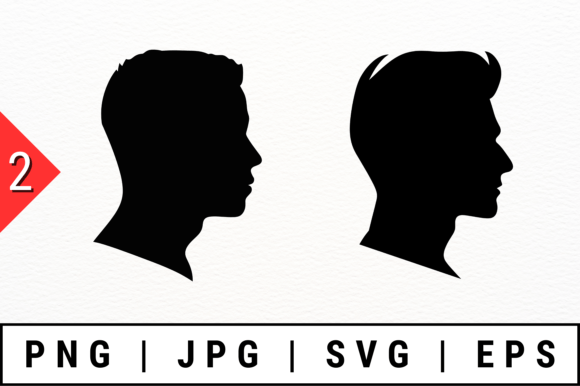
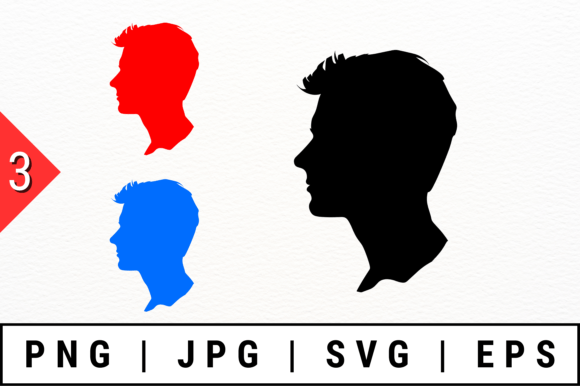
Opening the Male Silhouette Profile Vector set, I was immediately struck by its quiet confidence. These aren't loud, detailed portraits; they're silent, strong statements. The three colors—black, red, and blue—each carry a different weight. Black feels classic and universal, red introduces a hint of energy or passion, and blue offers a cooler, more serene option. This minimalistic approach is exactly what I look for when a design needs to speak without shouting.
The First Impression: Mood and Potential
The clean side-profile shape creates a mood of timelessness and identity. It's human, but abstract. This makes it incredibly versatile. I started picturing it not as a standalone graphic, but as a key element. It feels like it belongs on a custom embroidered sweatshirt for a boutique, a personalized tote bag for a father, or as a subtle branding element on a craft business's packaging. The visual personality is neutral enough to be adapted, which is a huge strength for embroidery designers working with diverse client requests or building their own product lines.
Where This Design Finds Its Home
In real-life embroidery situations, this silhouette shines in projects where clarity and clean lines are paramount. I envision it beautifully executed on the chest of a high-quality cotton t-shirt or the front of a canvas tote bag. For baby clothes or nursery decor, the blue silhouette on a light background could create a gentle, personalized touch. As an embroidered patch, it would be crisp and recognizable. For home goods like a pillow cover or a kitchen towel, it adds a modern, human element without being overly decorative.
For Etsy sellers and digital product sellers, these vectors are a fantastic base. They can be used in printable mockups to showcase potential embroidery placements, or integrated into branding for a shop focused on men's gifts, personalized apparel, or family-themed crafts. The high-resolution nature means scaling for different hoop sizes should be straightforward, allowing use from a small detail on a cap to a larger statement on a blanket.
A Practical Scenario: Crafting a Signature Tote
Let's say I'm preparing a custom embroidered tote bag for a client's small shop. They want a signature logo that feels handmade but professional. The black Male Silhouette Profile Vector, stitched with a precise satin stitch outline on the bag's front panel, would achieve that. It's recognizable enough to act as a brand mark, yet simple enough that the craftsmanship of the embroidery becomes the focal point. Customers would react to the quality of the stitch work and the clean design, trusting the product's value. It elevates a simple tote into a branded, giftable item.
Careful Application: Where to Pay Attention
While versatile, any minimalistic design demands precision. On small hoop sizes, the smooth curves of the profile need to be checked to ensure the stitch path doesn't create jagged edges. Embroidering on textured fabrics like some sweaters might soften the crisp edge, so a stabilizer choice is critical. On dark fabrics, the red or blue silhouettes would need very good thread color contrast to pop; the black version might recede unless you use a contrasting background thread or applique technique.
Stretchy fabrics and curved surfaces like caps require testing. The design's solid areas, if using a fill stitch, could become too dense on thin fabric, affecting drape. I'd be cautious about placing it on items needing frequent, harsh washing, as a very dense stitch area might wear differently over time. The beauty is in its clean lines, so preserving that clarity through the embroidery process is the goal.
Impact on Your Work and Your Customer
Using a design like this effectively boosts visual appeal through simplicity. Stitching clarity is high because there are no tiny, fussy details to lose—the shape is the hero. For a handmade presentation, this is perfect; it looks intentional and skilled. It aids brand consistency if used repeatedly across a product line. As a gift, especially personalized with a name or date alongside it, it becomes deeply meaningful. For commercial embroidery projects, it's a professional, scalable asset that won't look dated.
Embroidery Designer Notes for Real Projects
Before committing to a final product, my routine would involve:
- Testing the embroidery file on scrap fabric of the same type I plan to use.
- Checking thread color contrast against the final background fabric—sometimes the on-screen blue isn't the same as the embroidered blue.
- Reviewing the stitch density in my machine embroidery software, especially if scaling up or down significantly.
- Confirming my hoop size can accommodate the design with enough margin for clean stitching.
- Inspecting the design's small details, like the transition from nose to forehead, to ensure the stitch path is smooth.
- Testing it in black and white mockups to see how it reads without color.
- Comparing how it looks on both light and dark fabric backgrounds to plan my thread palette.
- Using a proper stabilizer for the chosen fabric to keep that silhouette sharp.
- Most importantly, confirming the licensing terms of the Graphics product before selling any finished items or digital products incorporating it. This is a fundamental step for any craft business.
The Final Stitch: A Versatile Asset
The Male Silhouette Profile Vector set, from a practical designer's viewpoint, is a robust starting point. It won't do the creative work for you, but it provides a strong, elegant foundation you can build upon. For embroidery, its success hinges on your technique—the right stabilizer, the thoughtful thread choice, the appropriate product pairing. It fits into a world of custom apparel, personalized gifts, and small shop merchandise because it is both a recognizable human form and a blank canvas. In the hands of a thoughtful maker, it becomes much more than a vector; it becomes the quiet, confident center of a beautifully embroidered finished product.